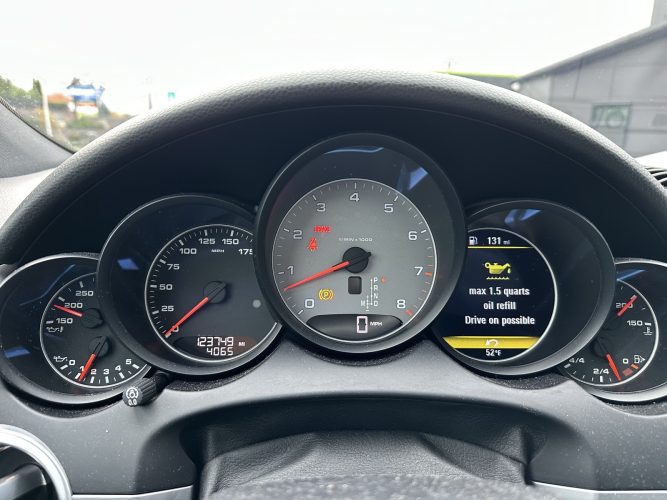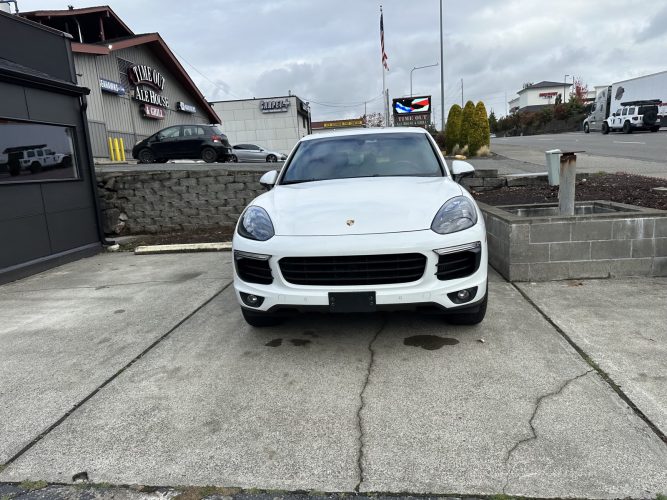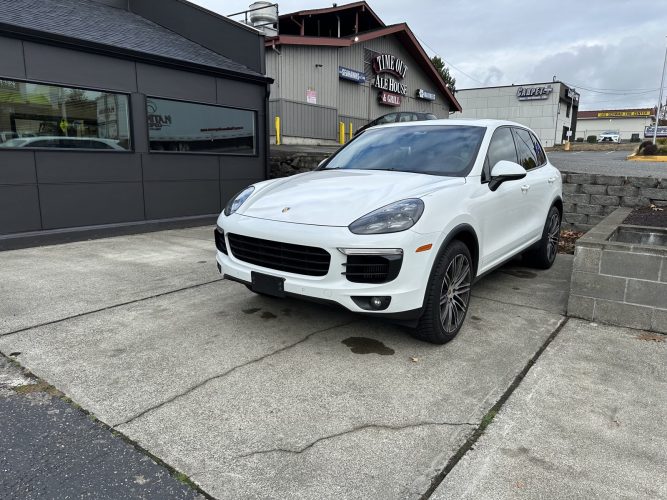

A 2016 Porsche Cayenne S was brought to Auto Werkstatt after the owner reported oil leaking from the valve cover area along with a separate coolant leak. Technicians began by investigating both concerns to identify the sources of the leaks and determine what repairs would be necessary. The diagnosis revealed significant oil buildup on the front of the engine, coolant collecting beneath the intake manifold, and ultimately, a much more serious engine concern.
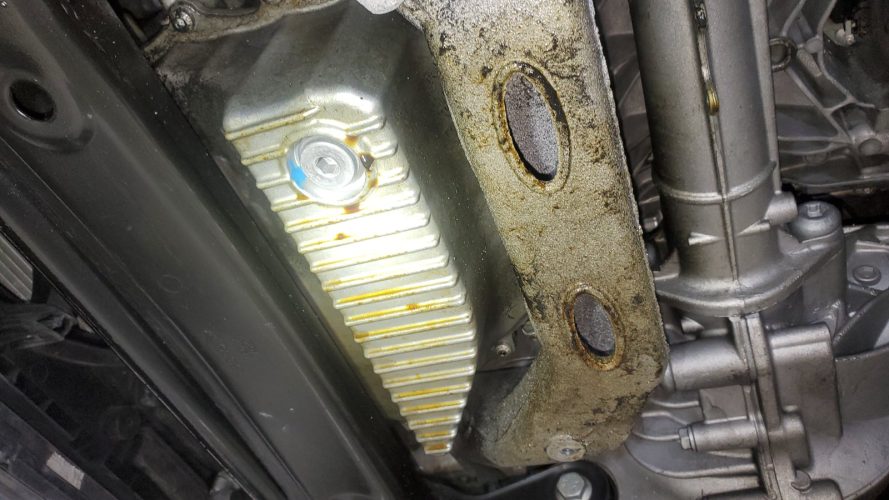
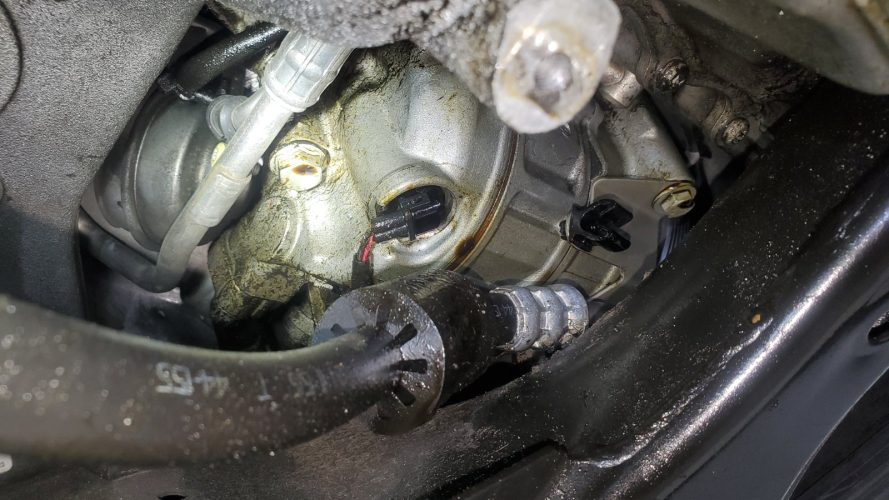
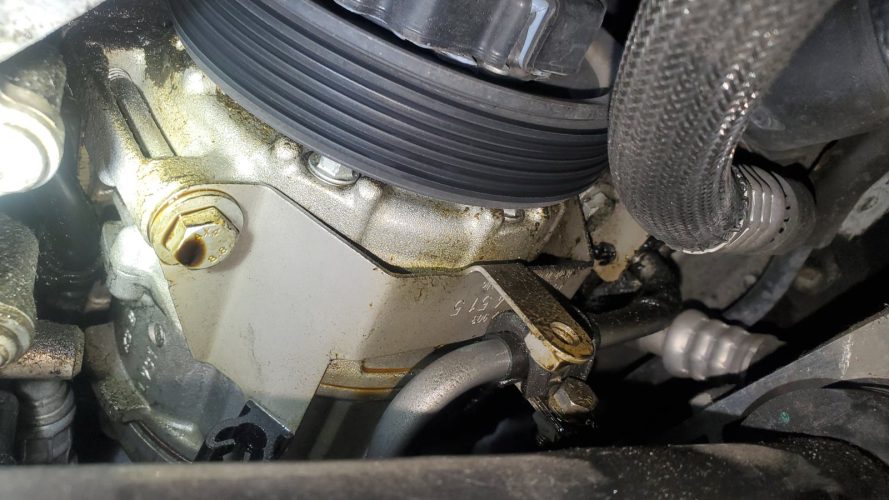
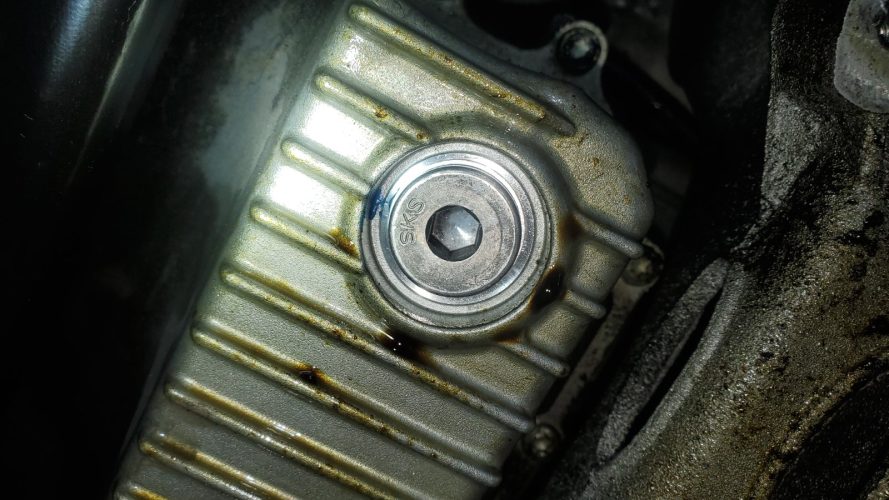
The initial oil leak inspection did not show any visible droplets or wet spots around the valve cover seams on either side of the engine. However, the front timing cover, oil pan, and oil filter housing area were heavily saturated with oil and grime. Because of the amount of buildup, technicians could not initially determine the exact source. They cleaned the engine thoroughly and performed a follow-up inspection with UV dye added to the oil. After cleaning and testing, the only active oil leak identified was a very slow leak coming from the oil filter. Technicians recommended replacing the oil filter and performing a Liqui Moly premium oil service based on the vehicle’s mileage.
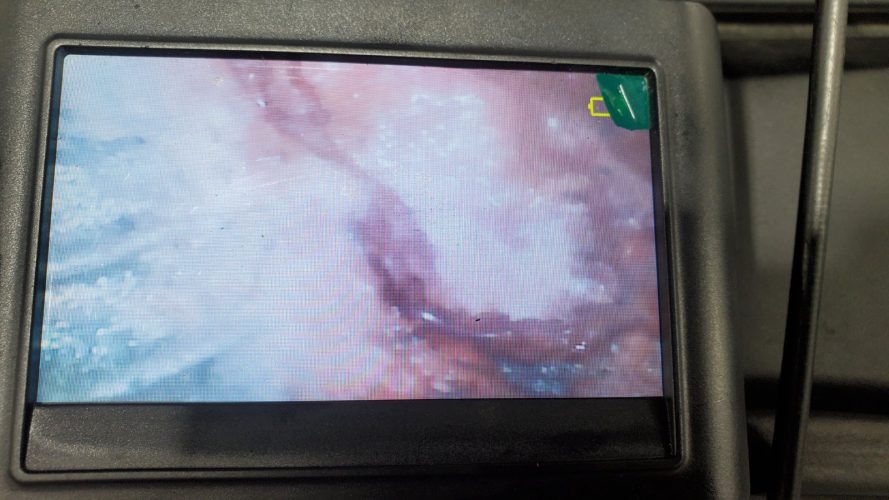
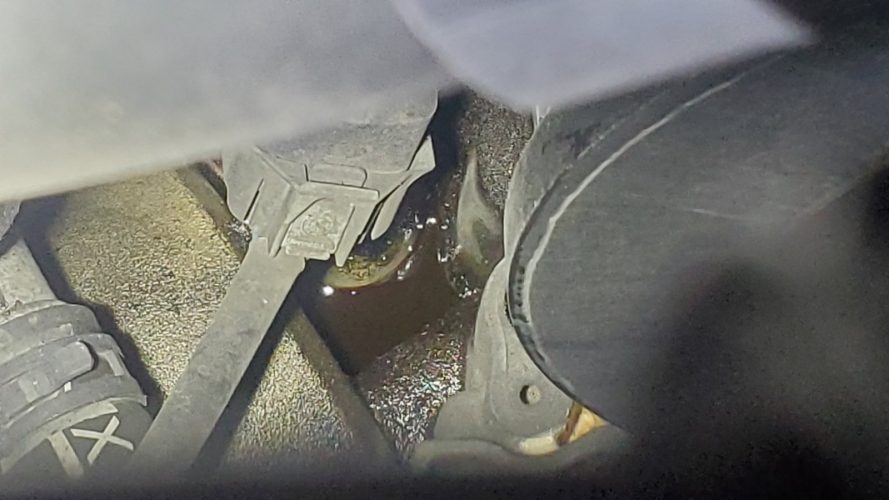
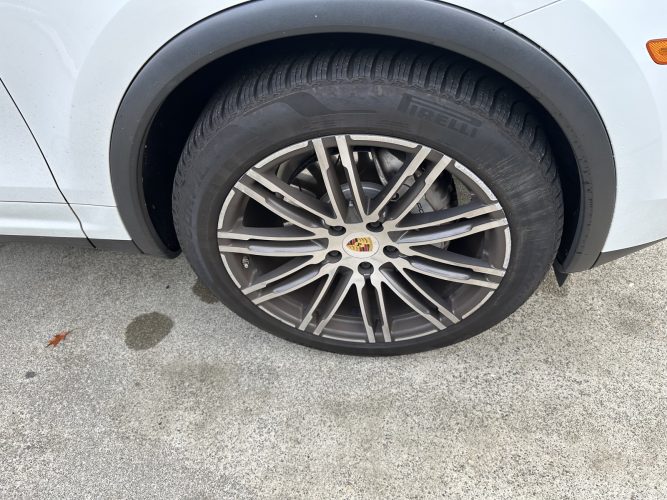
The coolant leak required a more involved diagnostic process. Using a borescope, technicians inspected the area beneath the intake manifold and found a moderate amount of both wet and dried coolant. The initial possibilities included the thermostat housing and crossover pipe, but the intake manifold prevented a clear view of the exact source. Technicians recommended removing the manifold to inspect the components underneath more accurately.
With the intake manifold removed, technicians were able to narrow down the leak to the return pipe connection at the thermostat housing. They cleaned the area beneath the pipe and monitored it while the cooling system was pressurized, confirming that coolant was slowly escaping from the connection. The recommended repair was to replace the pipe sealing ring, thoroughly clean the area, and pressure test the cooling system afterward to verify that the leak had been resolved.
However, further inspection uncovered a much more serious finding. Technicians identified a small pinhole in the cylinder wall at cylinder 2, with coolant leaking directly through the cylinder wall. Based on this finding, engine replacement was recommended. This discovery significantly changed the scope of the repair needs because the coolant loss was not limited to the external pipe connection under the intake manifold.
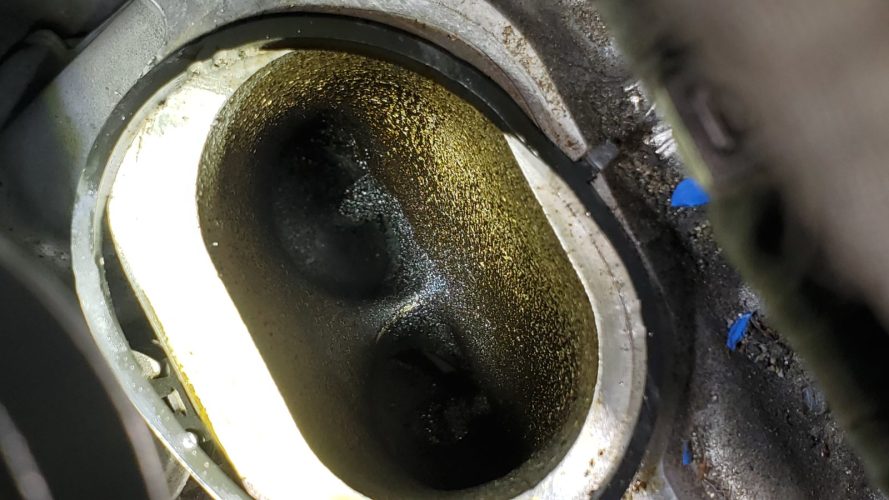
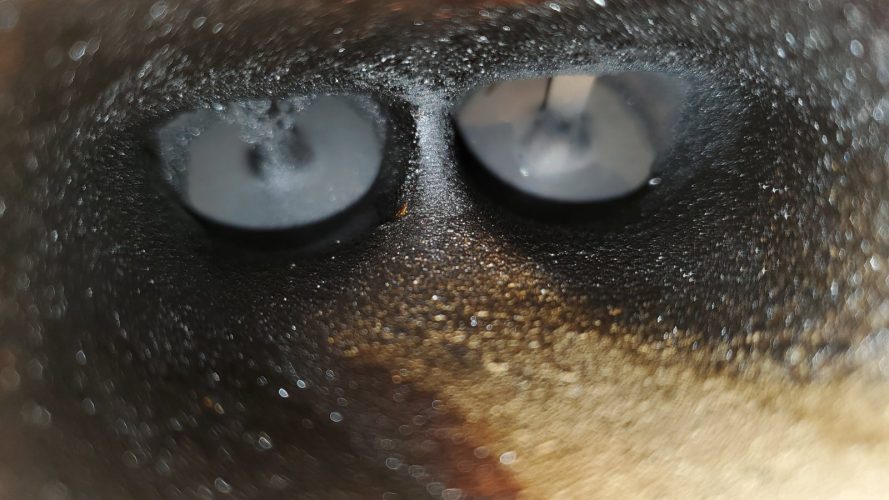
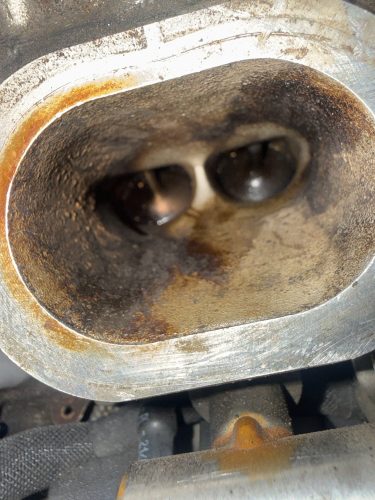
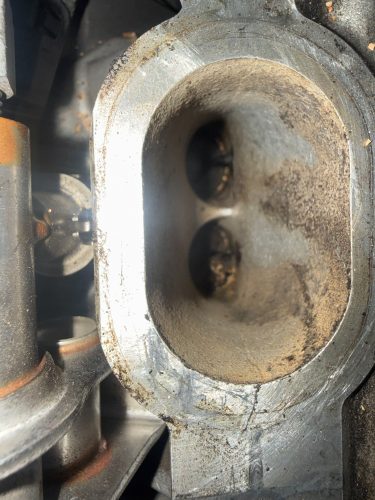
While the intake manifold was removed, technicians also inspected the intake valves and found carbon buildup, with some valves showing more accumulation than others. Since the manifold was already off for the coolant leak diagnosis, intake valve cleaning was recommended as an opportunity to address the deposits and help prevent future performance concerns.
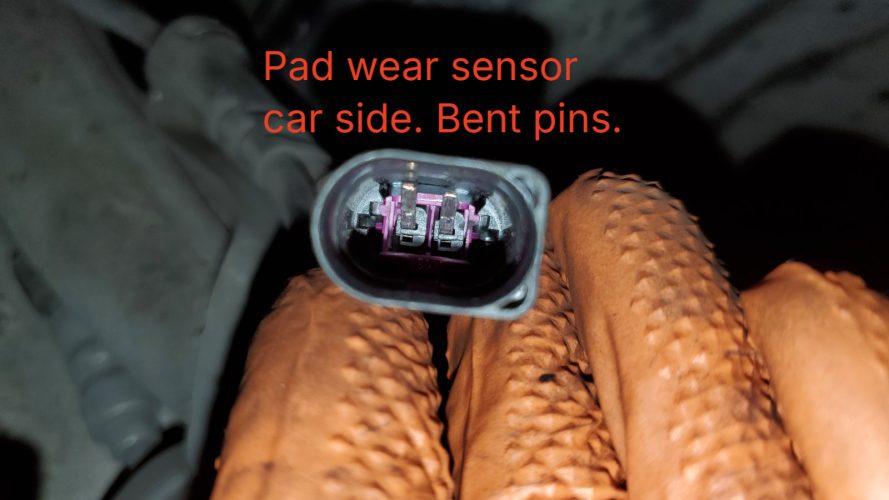
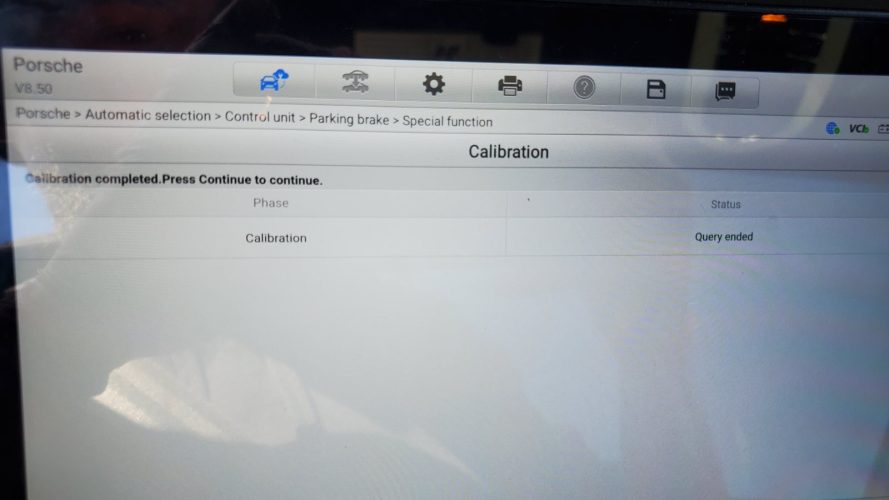
The visit also included diagnosing a brake warning message. Technicians found three fault codes stored in the electronic parking brake module. The rear parking brake shoes were out of adjustment, so the air gap was corrected to the specified range. The parking brake also required a grind-in procedure before calibration could be completed. After performing the procedure and calibrating the system, the parking brake exited service mode and the stored codes were cleared. A remaining brake pad wear warning led to further inspection of the wear sensors. During continuity testing, technicians discovered that two pins in the driver’s-side sensor connector had been pushed upward and bent, preventing the connector from seating properly. They straightened the pins and reconnected the sensor. All brake wear sensors then showed continuity, and the brake warning lights were no longer illuminated.
This Porsche Cayenne S came in with concerns about oil and coolant leaks, but the diagnostic process uncovered several separate issues requiring attention. The oil leak testing isolated a slow leak at the oil filter, while the coolant inspection confirmed both a leaking thermostat housing return pipe connection and a pinhole in the cylinder wall at cylinder 2. With engine replacement recommended, the cylinder wall damage became the most significant finding from the visit. The inspection also identified intake valve carbon buildup and resolved the electronic parking brake warning through adjustment, calibration, and repair of the brake wear sensor connector.
Case Study Details
Location
Service
Need similar work done?
Case Study Gallery