
When global engineering meets American manufacturing power, the result is a fascinating automotive landscape where precision, performance, and production scale come together. Many drivers often ask, which German car brands Manufacture in the US, especially as luxury vehicles become more widely produced across American plants. At Auto Werkstatt, we help enthusiasts and vehicle owners understand how German automakers operate across global and U.S. production networks, while offering trusted insights and service expertise.
In this detailed guide, we explore where leading German brands build their vehicles in the United States, how production is distributed, and why the U.S. has become a major hub for premium car manufacturing. Auto Werkstatt brings clarity to these global connections while staying focused on quality automotive care and knowledge.
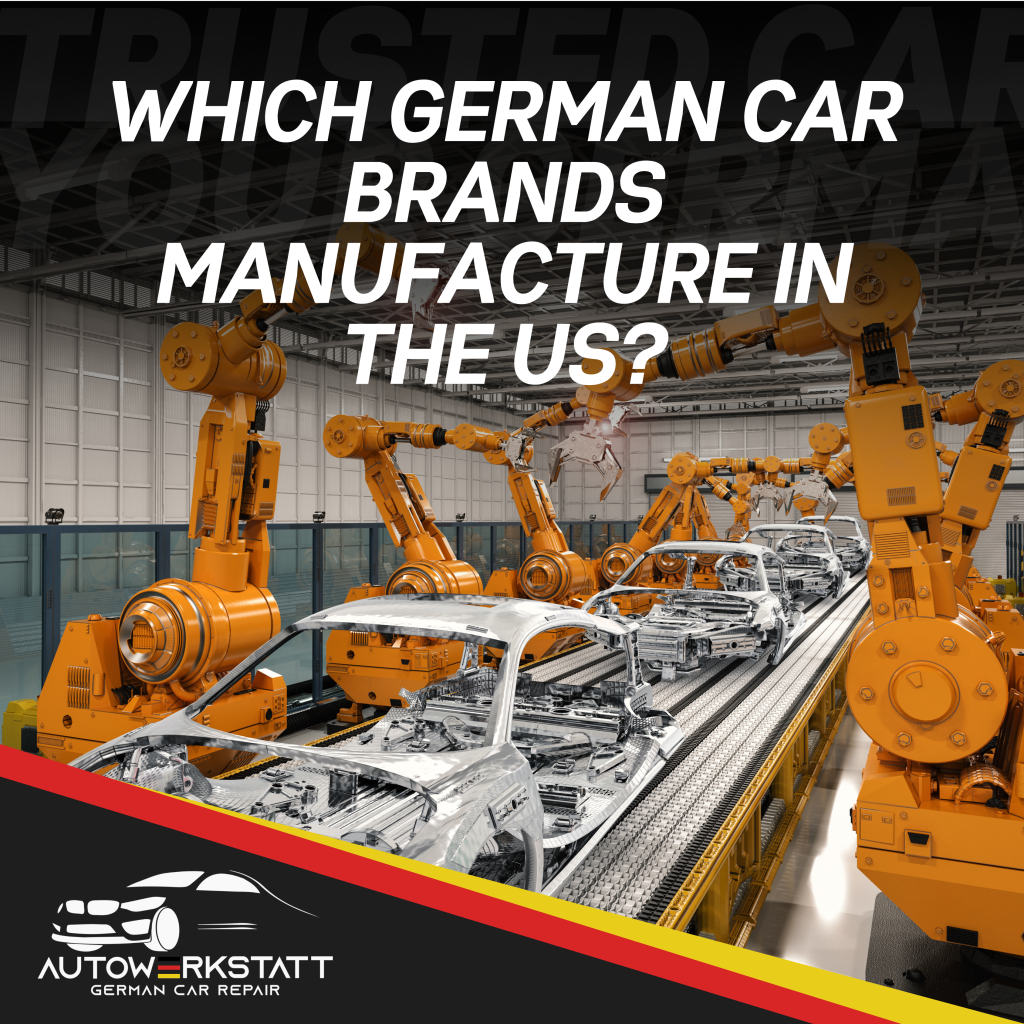
Which German Car Brands Manufacture in the US and Why It Matters
Understanding which German car brands Manufacture in the US is essential for buyers who care about origin, quality, and availability. Over the years, several German automakers have expanded production into the United States to meet growing demand and improve supply chain efficiency.
Brands like Volkswagen, Bmw, and Mercedes-benz have established strong American plant operations. These facilities allow German car manufacturers to produce vehicles closer to one of the largest automotive markets in the world.
Auto Werkstatt emphasizes that this shift is not about replacing German engineering but enhancing global reach. Many cars sold in the U.S. are still designed in Germany, even if they are assembled locally.
Volkswagen and German Brands Expanding in the United States Market
Among all German brands, Volkswagen stands out as one of the most established companies with major production in the United States. Volkswagen operates large assembly facilities that produce SUVs and family vehicles tailored to American market demand.
Auto Werkstatt often highlights how Volkswagen balances European engineering with American production efficiency. These vehicles maintain German quality standards while being built closer to customers.
Other German brands also follow similar strategies, ensuring their car brand presence remains strong in both luxury and mainstream segments. The expansion into the U.S. has helped improve delivery times and strengthen sales performance across different car models.
BMW Production, Mercedes-Benz, and Audi Manufacturing Insights
When discussing Bmw, Mercedes-benz bmw, and Audi Bmw, it is important to understand how these luxury German automakers integrate into the U.S. production system.
BMW operates one of the most advanced American plants, producing SUVs and performance-focused vehicles that are widely exported. Mercedes-Benz also contributes significantly, with production facilities that support both luxury and performance-oriented cars.
Audi, while primarily based in Europe, is part of the broader Audi Bmw luxury competition in the global car market. Auto Werkstatt explains that these brands maintain Strong german identity while adapting production strategies for American consumers.
These German car brands are known for combining luxury interiors, advanced technology, and powerful performance, making them highly popular across the United states automotive market.
Ford, German Automakers, and Cross-Market Automotive Influence
Although Ford is an American brand, it plays an important role in understanding global automotive competition alongside German automakers. The exchange of engineering ideas between ford and German companies has influenced modern car design and performance standards.
German car manufacturers continue to innovate in response to competition from ford and other global brands. Auto Werkstatt highlights how this rivalry improves overall vehicle quality, safety, and performance across the industry.
In many cases, German cars and American vehicles share similar goals, including fuel efficiency, durability, and advanced safety systems, but differ in engineering philosophy and driving experience.
German Cars Built in American Plants and Global Assembly Strategy
A major reason behind the expansion of German brands into the U.S. is the development of efficient American plant operations. These facilities allow German car manufacturers to produce vehicles closer to customers while reducing logistical costs.
Brands like Porsche, Bmw, and Mercedes-benz have optimized assembly processes to meet high demand in the United States. Auto Werkstatt notes that this strategy ensures faster delivery times and improved market responsiveness.
Even though many German cars are built in the U.S., they still maintain strict quality standards set by their parent companies in Germany. This global production model has become essential for supporting growing sales and maintaining competitiveness.
Performance, Luxury, and Sports Cars from German Brands
German automakers are globally recognized for their focus on performance, precision engineering, and luxury design. Brands like Porsche, Bmw, and Mercedes-benz are especially known for producing high-performance sports cars and luxury vehicles.
Auto Werkstatt frequently explains how German brands balance everyday usability with sports-level performance. Whether it is a compact sedan or a high-end sports car, German engineering ensures a refined driving experience.
These vehicles are popular in both European and American markets due to their reliability, speed, and advanced technology. The combination of luxury and performance makes German cars highly desirable worldwide.
German Automakers, Car Manufacturers, and Global Market Expansion
The success of German automakers is deeply tied to their ability to expand globally. Today, German car manufacturers are not limited to Europe; they have strong production and sales networks across the United States and other regions.
Auto Werkstatt highlights that the growth of German car brands in the U.S. has strengthened their position in the global automotive market. Companies continuously adapt their production strategies to meet changing consumer expectations.
From luxury sedans to SUVs and sports cars, German brands dominate multiple segments, offering diverse models that appeal to a wide audience.
Popular Models, Sales Growth, and Brand Strength in the US
German car brands continue to perform strongly in the U.S. due to their reputation for quality and innovation. Models from Volkswagen, Bmw, Audi, and Mercedes-benz remain highly popular among American drivers.
Auto Werkstatt observes that strong sales performance is driven by reliability, luxury appeal, and advanced engineering. Many consumers prefer German cars for their long-term value and premium driving experience.
These brands have successfully built a strong presence in the American automotive market, competing with both domestic and international car brands.
The Future of German Car Manufacturing in America
Looking ahead, German automakers are expected to expand their presence even further in the United States. With increasing demand for electric vehicles and hybrid technology, companies like Bmw, Volkswagen, and Porsche are investing heavily in new production strategies.
Auto Werkstatt emphasizes that the future of German brands will focus on sustainability, performance innovation, and digital vehicle systems. American plants will continue playing a key role in supporting this growth.
As the automotive industry evolves, German car manufacturers will remain leaders in combining engineering excellence with global production efficiency.
Contact Us
If you want expert guidance, maintenance, or professional support for your German vehicle, Auto Werkstatt is here to help. Our experienced team ensures your car receives the precision care it deserves, keeping performance and reliability at their best. Trust Auto Werkstatt to keep your driving experience smooth, safe, and powerful.
