
A 2015 Volkswagen Golf SportWagen TDI S was brought to Auto Werkstatt after the owner noticed that the engine temperature gauge would climb toward hot when driving uphill and the engine reached higher RPMs. The customer also reported previous coolant loss, although no fluid had been found on the ground, and noted that the check engine light had recently illuminated before turning off. With intermittent overheating symptoms and a history of coolant loss, the inspection uncovered several important concerns that needed attention.
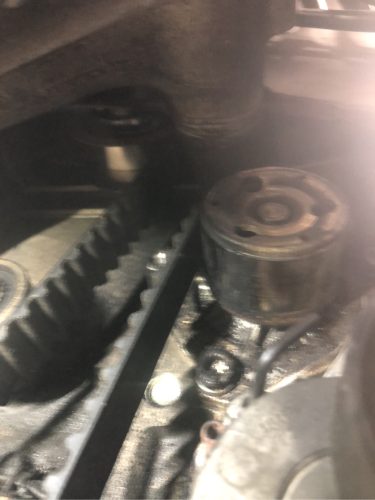
One of the most notable findings involved the timing belt and water pump assembly. Technicians discovered that rubber from the timing belt had melted onto the water pump pulley. This finding raised an important concern within the engine’s belt-driven components and warranted attention as part of the vehicle’s repair needs. Although the inspection did not establish a confirmed cause for the overheating or previous coolant loss, the condition of the timing belt and water pump pulley was a significant discovery.
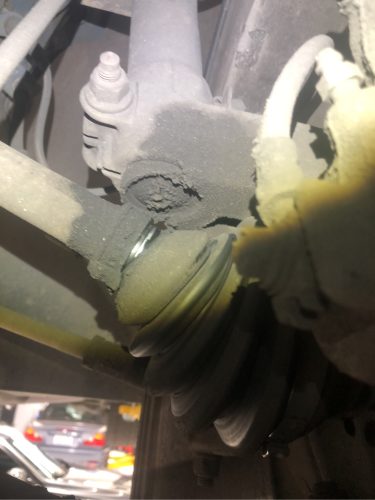
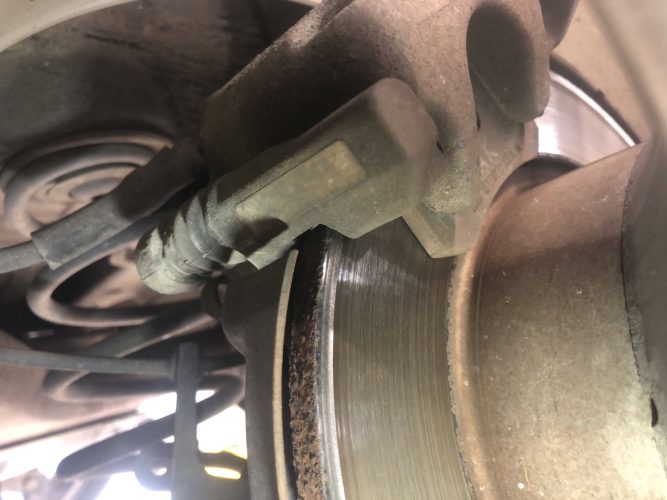
The inspection also revealed several additional issues affecting the vehicle’s safety and maintenance. The rear brakes were severely worn, with the pads and rotors at metal-to-metal condition. Technicians recommended replacing the rear brake pads and rotors as soon as possible. The driver’s-side outer CV boot was also torn, prompting a recommendation to replace the axle.
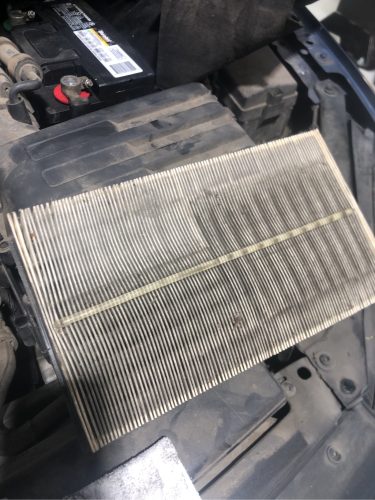
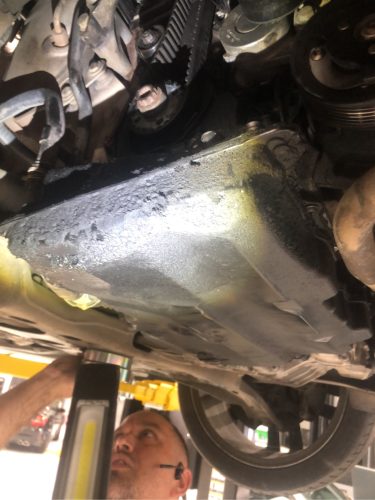
Under the hood, technicians documented long-term oil seepage from the oil pan and found that the engine air filter was dirty. The vehicle was also due for an oil service and inspection. These items added to the maintenance needs identified during the visit.
The inspection brought several concerns to light beyond the customer’s original overheating complaint. The melted timing belt material around the water pump pulley, severely worn rear brakes, torn CV boot, and ongoing oil pan seepage gave the owner a clearer picture of the vehicle’s condition and the repairs requiring attention. For the overheating and coolant-loss symptoms, further diagnosis would be needed to establish the underlying cause rather than assuming the timing belt finding was responsible.
Case Study Details
Location
Service
Need similar work done?
Case Study Gallery